SaaS is fantastisch verkocht. Geen grote investering, snel live, altijd de laatste versie. Voor een MKB-er klinkt dat als een bevrijding ten opzichte van vroeger, toen je software kocht, installeerde en zelf onderhield. En in het begin is het ook bevrijdend. Een tool van dertig euro per maand voelt als verwaarloosbaar.
Het probleem komt later. Niet omdat SaaS slecht is, maar omdat het zich opstapelt en omdat u het nooit meer kwijt raakt.
De rekensom
Neem een MKB-bedrijf met tien gebruikers. Een redelijke set tools voor een operationeel bedrijf:
- Een CRM-pakket: ongeveer 50 euro per gebruiker per maand
- Een projectplanning-tool: 25 euro per gebruiker
- Een offerte- en factuurpakket: 30 euro per maand vast plus 5 euro per gebruiker
- Een communicatie- en bestandstool: 15 euro per gebruiker
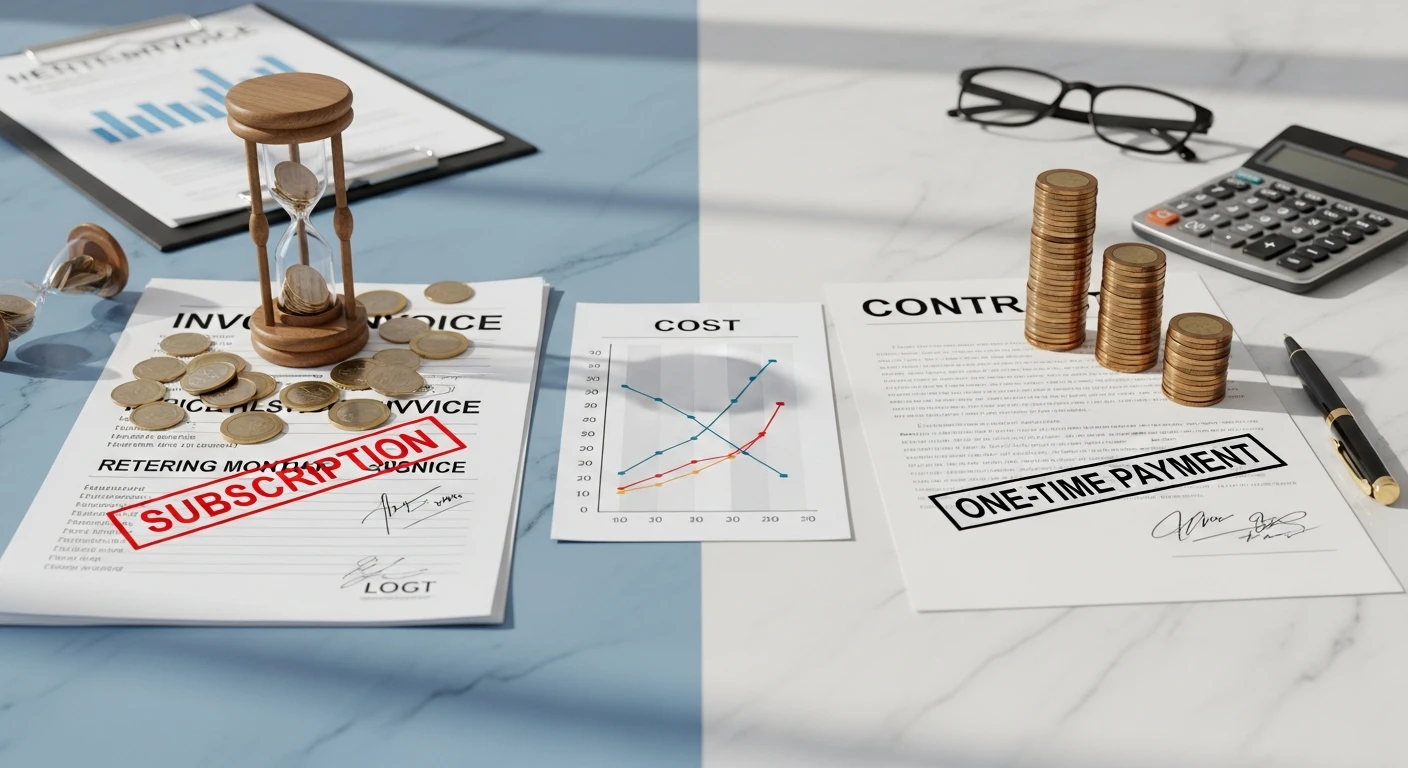
Bij elkaar kom je dan ergens op 95 euro per gebruiker per maand plus 30 euro vast. Voor tien gebruikers is dat 980 euro per maand, ofwel 11.760 euro per jaar. Over vijf jaar is dat ruim 58.000 euro. En dat is met de prijzen van vandaag, terwijl SaaS-leveranciers vrijwel zonder uitzondering elk jaar verhogen.
Een vergelijkbaar maatwerkplatform kost in de bouw eenmalig ergens tussen de 25.000 en 50.000 euro, afhankelijk van scope. Daarna betaalt u alleen hosting en eventueel doorontwikkeling op urenbasis. Hosting voor zo'n platform is vaak 50 tot 100 euro per maand. Over vijf jaar zit u dus op 30.000 tot 60.000 euro, vaak iets minder dan SaaS, soms iets meer afhankelijk van waar u in de range valt.
Het echte verschil zit niet in geld
Op de cijfers alleen is het bijna een gelijkspel, met een licht voordeel voor maatwerk in de meeste gevallen. Maar daar ligt het echte verschil ook niet. Er zijn een paar dingen die u met geld niet koopt.
Data-ownership. Bij SaaS staat uw data op de servers van de leverancier. U mag erbij, maar u beheert het niet. Als de leverancier zijn voorwaarden wijzigt, opgeslokt wordt door een grotere speler, of failliet gaat, heeft u een probleem dat u niet zelf kunt oplossen. Bij maatwerk op uw eigen infrastructuur staat alles bij u.
Werkwijze-fit. Een SaaS-tool dwingt zijn werkwijze aan u op. Voor commodity-processen (e-mail, kantoorautomatisering) is dat geen probleem. Voor uw kernprocessen, daar waar u zich onderscheidt, betekent het dat u uw onderscheidend vermogen aanpast aan de software in plaats van andersom.
Geen abonnementsrisico. SaaS-prijzen kennen één richting: omhoog. Met maatwerk staat uw kost vast: hosting plus af en toe een doorontwikkeling. U kunt jarenlang stilstaan zonder dat het meer kost.
Wanneer SaaS wel beter is
Ik wil niet net doen alsof SaaS altijd verkeerd is. Voor commodity-functies, dingen die overal hetzelfde zijn, is SaaS bijna altijd de beste keus. E-mail, kantoorpakketten, boekhouding, helpdesk-tools voor standaardvragen. Daar wint u niets met maatwerk en is het gemak van een SaaS terecht.
Het kantelpunt zit bij processen waar uw werkwijze waarde toevoegt. Daar verliest u met SaaS meer dan u beseft, niet in geld maar in wendbaarheid en onderscheidend vermogen.
De juiste vraag
De vraag is dus niet "SaaS of maatwerk", maar "voor welk proces". Kies SaaS waar het niet uitmaakt, kies maatwerk waar het verschil maakt. Dat is de combinatie waar u over vijf jaar het beste mee uitkomt, financieel én operationeel.